
Watching your dog limp is unsettling – especially when you can't immediately see what's wrong. One moment they're bounding around the yard; the next, they're favouring one leg or hesitating to put weight on a paw. It's one of the most common concerns dog owners bring to their vet and it comes with a lot of questions.
The truth is, limping in dogs has many possible causes. Some are minor and resolve quickly with rest. Others are signs of an underlying issue that needs professional attention. Either way, it's always worth paying close attention.
In this article, we'll walk through 8 of the most common reasons dogs limp, how to tell when it's becoming a serious concern, whether a limp can heal on its own and practical steps you can take to help your dog feel more comfortable.
Why Is My Dog Limping? 8 Possible Reasons
There's rarely a one-size-fits-all answer. Here are the most likely culprits:
1. Paw or Nail Injury
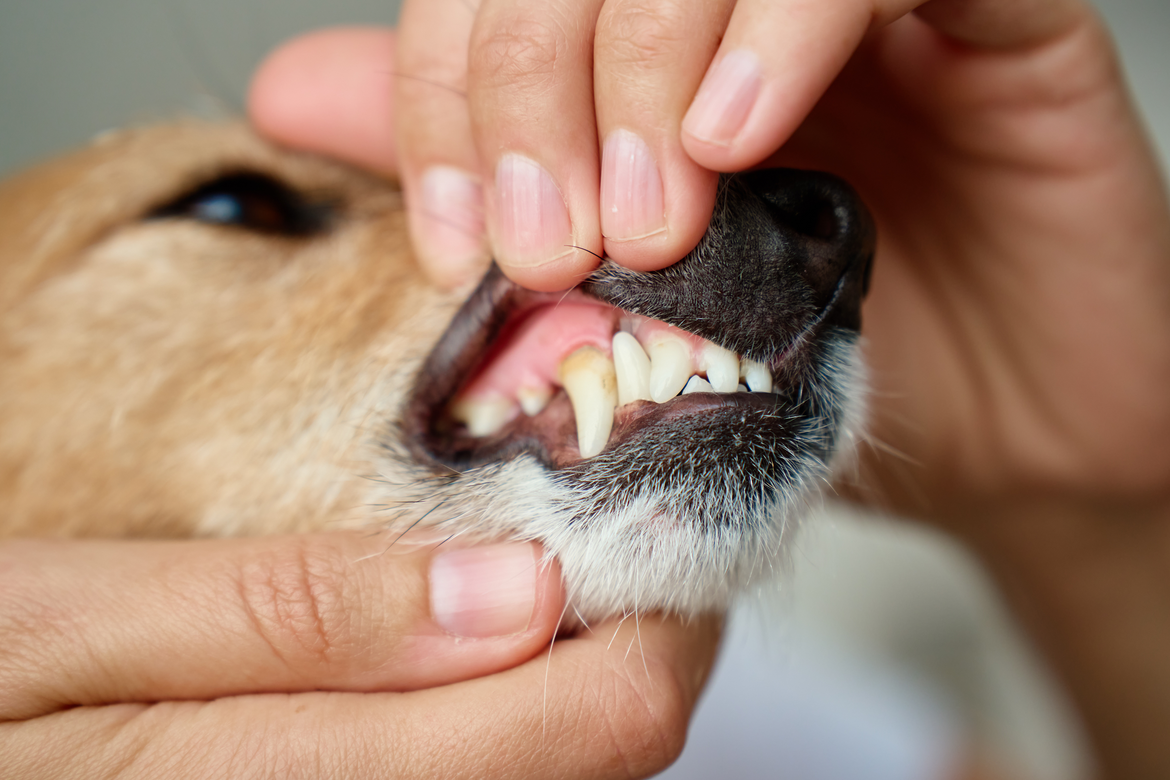
One of the most common – and easily overlooked – causes of limping is something stuck in or around the paw. Thorns, splinters, glass and gravel can lodge between the pads and cause significant discomfort. Broken or overgrown nails are another frequent offender.
Always start by checking the paw. Spread the toes gently and look at each pad for cuts, cracks, swelling or foreign objects. Something very small can cause a very obvious limp.

2. Muscle Strain or Soft Tissue Injury
Just like us, dogs can pull a muscle or sprain a ligament during play, a run or an awkward landing. Soft tissue injuries are common in active dogs and often appear suddenly – your dog was fine an hour ago and now they're limping.
These injuries are often not visible to the naked eye, which is why they can be confusing. Rest is typically the first recommendation, but a vet should assess any strain that doesn't improve within a day or two.
3. Joint Pain or Arthritis
Arthritis is one of the leading causes of chronic limping in dogs – particularly in older dogs or larger breeds. It develops when the cartilage in a joint gradually breaks down, causing bone-on-bone friction that leads to inflammation and pain.
Dogs with arthritis often limp after rest (that classic "stiff start" in the morning) and may improve slightly once they warm up with gentle movement. The limp tends to be gradual in onset rather than sudden. It commonly affects the hips, elbows and knees.

4. Hip Dysplasia
Hip dysplasia is a developmental condition where the hip joint doesn't fit together properly. It's especially common in large breeds like German Shepherds, Labradors and Golden Retrievers.
Dogs with hip dysplasia may limp on one or both hind legs, struggle to get up from lying down, or show a distinctive "bunny hop" gait. Symptoms can appear in young dogs or develop later in life as senior dogs where the joint deteriorates. It's a condition to manage long-term, not a one-time fix.
5. Ligament Damage (CCL Tear)
The cranial cruciate ligament (CCL) – the canine equivalent of the ACL in humans – is frequently injured in dogs. A CCL tear often happens suddenly during play or a misstep and causes an immediate, significant limp on a back leg.
Dogs will often hold the leg up and refuse to bear weight on it at all. This is a serious injury that typically requires veterinary intervention and, in many cases, surgery. If your dog suddenly cannot weight-bear on a hind leg, don't wait – see a vet.
6. Bone Fracture
A fracture isn't always the result of a dramatic accident. Small stress fractures can occur in active dogs, and not every break produces an obvious visual deformity. However, most fractures cause severe, sudden-onset limping and significant pain.
If your dog refuses to put any weight on a leg, is clearly in distress, or the leg looks misshapen, try to treat this as an emergency. This is not a "wait and see" situation.
7. Lyme Disease or Infection
Limping isn't always structural. Lyme disease – spread through tick bites – is a well-known cause of limping in dogs, often appearing as a shifting lameness (the leg that's affected can change day to day).
Other infections, including those affecting joints (septic arthritis), can also cause a dog to limp. If your dog lives in or has recently visited a tick-prone area and develops a limp alongside lethargy, fever, or loss of appetite, Lyme disease or another infection should be on the radar.
8. Bone Cancer (Osteosarcoma)
While it's not the most common cause, it's worth mentioning – particularly for large and giant breeds. Osteosarcoma most commonly affects the limb bones and often presents as a gradually worsening limp that doesn't respond to rest or standard pain relief.
It may be accompanied by visible swelling near the joint. If your large breed dog has a persistent, progressive limp that isn't explained by injury, your vet may want to rule this out with imaging. Early detection matters.
When Should I Be Concerned About My Dog Limping?
It's completely natural to feel worried when your dog starts limping. You know your dog better than anyone, and that instinct matters. Here's a general guide to help you gauge the situation:
A mild limp that appears after play and settles within a few hours is often nothing to worry about – your dog may have simply overdone it. Monitor them closely and limit activity.
However, a limp that is worsening over time, not improving after 24–48 hours of rest, or is accompanied by other symptoms is a reason to act sooner rather than later. Dogs are stoic creatures. By the time they're showing clear signs of pain, the discomfort is often significant.
Signs that a limp is escalating and needs attention:
- The limp is getting worse, not better
- Your dog seems quieter than usual, less interested in food or play
- You notice swelling, heat or redness around a joint or limb
- The limp shifts between legs over a few days
- Your dog is reluctant to move, get up or go outside
Can a Dog's Limp Heal on Its Own?
Sometimes, yes – but it depends entirely on the cause.
Minor soft tissue injuries, paw irritations and mild muscle strains will often resolve with rest, restricted activity, and time. Many vets recommend a period of "conservative management" before pursuing more invasive diagnostics – this means keeping your dog calm, limiting exercise and monitoring progress over 48–72 hours.
However, limps caused by structural issues – like a CCL tear, fracture, joint disease or infection – will not resolve without appropriate treatment. Leaving these unaddressed risks making the underlying condition worse. In the case of a CCL injury, for example, continued weight-bearing on an unstable joint can cause further damage to the meniscus and surrounding tissue.
A helpful rule of thumb: If your dog is still limping after two to three days of rest or if the limp is severe from the outset, it's time to get a professional opinion.
Should I Take My Dog to the Vet for Limping?
This is the question most dog owners are wrestling with. Here's how to think through it:
When they don't seem themselves
You know your dog. If something feels off beyond the limp – they're subdued, not eating, not responding to you the way they normally would – trust that feeling. Even if the physical cause isn't obvious, a dog who seems unwell in themselves alongside a limp warrants a vet call.
If they've had a clear fall or accident
If you witnessed your dog fall, get hit, or land badly, don't dismiss the limp as minor. Internal injuries and fractures aren't always visible. Get them seen. It's always better to confirm nothing is seriously wrong than to assume.
Your dog won't put weight on the leg at all
Non-weight-bearing limping – where your dog is holding the leg up entirely – is a more urgent sign. This is often associated with fractures, CCL tears, or significant joint damage. This should be assessed the same day where possible.
Other signs that mean you should contact a vet promptly:
- There is swelling, heat, bleeding or an obvious wound
- Your dog cries, yelps, or seems in significant pain
- The leg looks deformed or is held at an unusual angle
- Your dog has a fever, lethargy or loss of appetite
- The limp has lasted more than 24–48 hours or is getting worse

If you're in a wait-and-monitor period:
- Restrict activity – no running, jumping or stairs
- Keep walks short and on-leash
- Check the paw carefully for cuts, thorns or broken nails
- Do not give human pain medications. Ibuprofen and acetaminophen (Tylenol/paracetamol) are toxic to dogs. Only give medications prescribed or approved by your vet.
How Can I Help My Limping Dog?
Once you've ruled out (or treated) an emergency cause, there are practical things you can do to support your dog's comfort and mobility day-to-day.
Rest and activity management are the starting point for most non-emergency limps. Short, calm leash walks replace free running. Avoid slippery floors – place rugs or yoga mats on hard surfaces to give your dog traction and reduce the risk of further slips or strain.
Maintaining a healthy weight reduces load on joints significantly. For dogs already managing joint pain or arthritis, excess weight makes every step harder. Speak to your vet about an appropriate calorie target if weight is a factor.
Joint support is something many dog owners explore alongside veterinary care – particularly for dogs dealing with age-related joint discomfort, arthritis or breeds prone to hip and joint issues. If you're looking at options for long-term joint and mobility support, look for supplements with ingredients like glucosamine, chondroitin and MSM to support joint function.
Gentle movement – as advised by your vet – can actually be beneficial for dogs with chronic joint conditions. Complete rest for extended periods can cause muscle loss, which further reduces joint stability. Short, controlled walks keep muscles engaged without overloading painful joints.
For dogs with ongoing mobility concerns, it's also worth discussing with your vet whether physical therapy, hydrotherapy or laser therapy might be appropriate. These are increasingly used alongside supplementation and medication to manage chronic joint conditions in dogs.
FAQs
Why is my dog limping but doesn't seem to be in pain?
Dogs are natural at masking discomfort. They're genetically wired to not show that they're in pain until it's become too much. A dog that appears to be coping or behaving normally can still be experiencing significant joint pain or soft tissue soreness, but we just won't be aware.
If your dog is limping consistently, don't wait for obvious signs of distress before choosing to do something about it. A limp itself is a signal that something is off, even when your dog seems otherwise happy. It's best to consult your vet to get an official diagnosis. They'll be able to perform the necessary checks.
Why is my dog limping on their front leg?
Front leg limping for dogs is commonly associated with soft tissue injuries. These can include strains, sprains, paw injuries or some joint issues like elbow dysplasia and arthritis in the shoulder or elbow.
It can also come from a paw pad cut or something stuck in their paw. So, what should you try to do? Check the paw first, then monitor the limp for the next couple of days. If it persists beyond 48 hours or worsens, consult your vet for more specific guidance. They'll be able to diagnose what's going on in more depth and perform any necessary checks.
Why is my dog limping after resting or sleeping?
Limping that appears after rest and tends to improve with gentle movement can be a classic sign of arthritis or other degenerative joint diseases similar to this. What tends to happen is that the joint fluid that lubricates movement becomes less effective when a dog has been still for a while.
This can cause stiffness that starts to look and feel better as they warm up. This pattern – stiff in the morning, better after a short walk – is something to flag to your vet. This kind of issue is easily helped with various support methods that a vet can recommend.
How long should I wait before taking a limping dog to the vet?
As a general rule: If the limp is mild and your dog is otherwise well, you can monitor for 24–48 hours with restricted activity. But, if the limp is on the more severe side of things, your dog won't bear weight at all, or if there are any additional symptoms (like swelling, pain response, fever or lethargy), it's important that you contact your vet on the same day.
Overall, when in doubt, just make the call to your vet. Most vets are happy to advise on the phone whether a limp needs to be seen urgently or not, so it shouldn't be too much stress.
Can joint supplements help a limping dog?
Joint supplements are not a treatment for acute injuries or conditions like fractures and ligament tears. They're health supplements that support the joint. Acute injuries and conditions like fractures and ligament tears require veterinary care, so always make sure to check in with your vet.
However, for dogs with age-related joint stiffness, arthritis or breeds prone to joint conditions, targeted joint supplements can support them pretty well. Look for supplements that contain ingredients like glucosamine, chondroitin and MSM. These supplements may be recommended alongside veterinary treatment as part of a long-term mobility support plan. Always discuss supplementation with your vet first.
To Sum Up
A limping dog is always worth taking seriously – even when the cause turns out to be something minor. The most important thing you can do is observe carefully, act promptly when red flags appear and work with your vet to understand what's behind the limp.
For dogs dealing with ongoing joint issues, stiffness or age-related mobility changes, proactive support can make a real difference.
Learn more about how to support your dog's joint health long-term in our complete guide to dog mobility and dog health.