
If you’ve ever wondered ‘is my dog happy?’, you’re not alone. It’s pretty normal for us, as dog owners, to ask the question.
So, how can you tell if they're happy? It can be difficult to understand, but there are a few tell-tale signs. Usually, they'll express physical and behavioral differences that might be different from what they're usually like.
In this guide, we delve deep into the signs your dog is happy, signs your dog might not be happy and finally, some tips on how to make your dog happier.
How Can I Tell If My Dog is Happy?
There’s a few key signs to spot when it comes to really answering the question 'Is my dog happy?' that you can always bear in mind.
-
Relaxed body posture – Their muscles aren’t usually tightened, they’re loose. There’s no hunched backs or tucked tails either. They should carry a ‘wiggly’ quality with their movement.
-
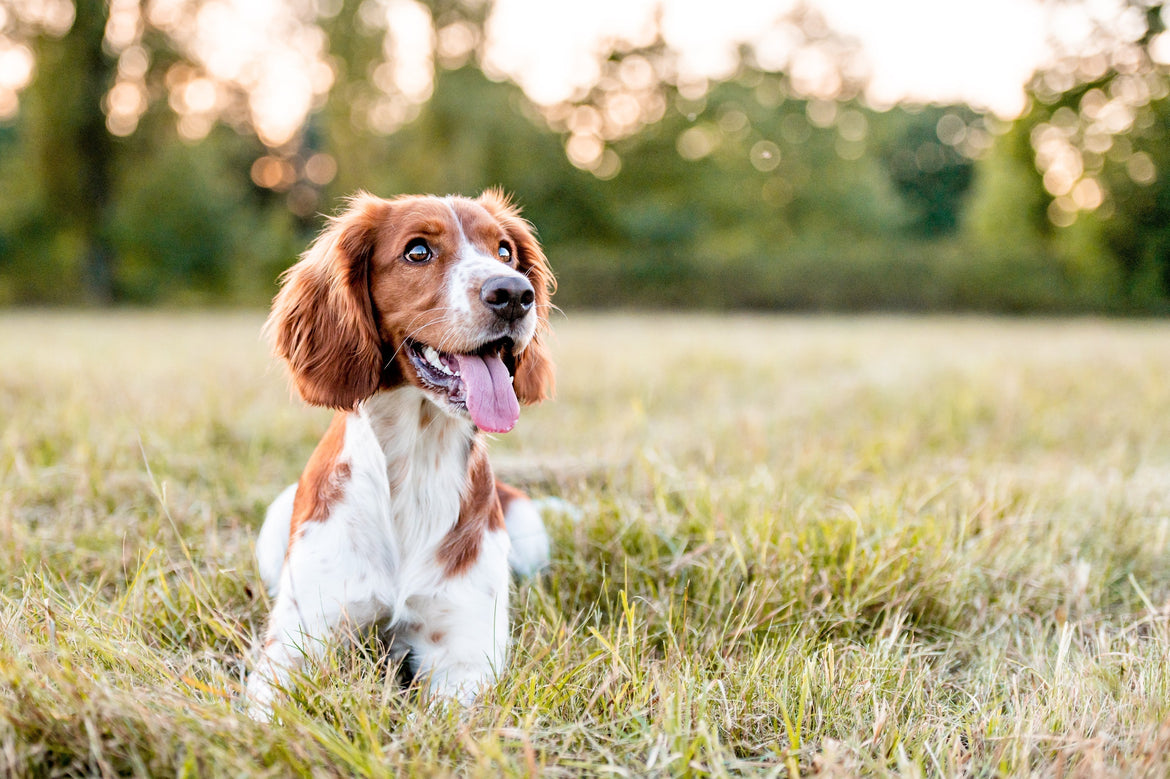
Soft eyes and loose facial muscles – ‘soft eyes’ are essentially when a dog’s eyes look slightly squinted and almond-shaped. They’ll also tend to have no tension in their face with a smooth forehead, loose muzzle muscles and mouth ajar.
-
Playfulness and curiosity – A dog that wants to play is a happy dog. So, if they’re bringing you their toy, that’s a good sign. If they're curious, it also helps indicate that they're a happy dog. What does that look like? The main way is when they're sniffing and doing mentally stimulating activities.
-
Healthy appetite – If a dog eats consistently and often, that’s usually a good sign. When they’re by their bowl, waiting for food, it also indicates a desire for eating. When they start to lose their appetite, that’s a sign that something’s up.
-
Normal sleep patterns – Dogs sleep a lot – around 12-14 hours. They should sleep deeply and look relaxed on their sides with loose-looking muscles. If they’re sleeping over this amount, this is usually a sign that something’s up.
What Makes a Dog Happy?
When asking yourself 'Is my dog happy?', it's only natural to think about what happiness looks like. For a lot of dogs, they tend to seem more content if we focus on five key areas.
Signs Your Dog is Happy
1. Routine
Dogs are, as you might already know, creatures of habit. A familiar and expected task and routine helps to keep them calm.
According to a study focusing on cortisol levels published in 2021, it concluded that shelter dogs on consistent schedules had significantly lower cortisol levels than those without a routine – because predictability signals safety to a dog's brain.
2. Exercise
When a dog is physically active, they’re not just burning fat, their mood is being regulated.

According to a study focused on the connection between exercise and a dog’s mental state published in the American Kennel Club with more than 15,000 dogs, it showed that physical activity was shown to be beneficial for brain function.
Inactive dogs were 6.5 times more likely to develop canine cognitive dysfunction than active dogs that were the same age. That’s a pretty compelling reason to keep your dogs exercising properly.
3. Mental Stimulation
In the wild, dogs are thinkers. Always aware of their surroundings and relying on natural instinct to survive. Their brains work well when they’re being used. Things like using puzzle feeders, letting them sniff on their walks for longer periods of time, training and playing scent games all keeps their brain active.
4. Social Interaction

Dogs are social creatures. They need regular quality time with their humans to really solidify their bond. Having positive interactions with other dogs also helps to keep their sign reading ability in good health, so they can understand and communicate with other dogs.
5. Safe Environment
More often than not, dogs need to feel like their environment is safe and free from any threat. Just like us, really. They should be able to retreat and decompress in their own space.
Signs Your Dog May Not Be Happy
Now you know the signs your dog is happy, it's time for the signs your dog might not be as happy as you'd like for them to be. Let's get into it...
Excessive Licking or Chewing
When a dog is anxious, bored or in emotional discomfort, repetitive licking or chewing tends to usually create a self-soothing effect – it releases endorphins and gives them something to focus on.
Withdrawing or Hiding
When a dog starts retreating to quiet corners, spending more time under furniture or avoiding family members, they’re usually signalling that their environment feels overwhelming or unsafe.
Aggression or Fearfulness
A dog that feels threatened, trapped or persistently stressed may start showing more aggressive behaviour; growling, snapping or lunging as a way of creating distance from perceived threats.
Fearfulness – flinching, cowering, trembling, tucking the tail – is the other side of the same coin. Both are the dogs' way of communicating that they don't feel safe.
Loss of Appetite

Sometimes, when dogs go through a significant change, like a new home, loss of a companion or an altered routine, they may start to eat irregularly or refuse food altogether.
Sudden or prolonged appetite loss always needs a vet visit to rule out illness, but when physical causes are ruled out, it's a reliable indicator of emotional distress.
Destructive Behavior
Chewing shoes, scratching doors, tearing up bedding – these are often misread as a dog "being naughty", but they're almost always a sign of their needs not being met.
Simple Tips on How to Make Your Dog Happier
Daily Walks Tailored to Breeds
Different breeds actually need different types of walks. For example, a Border Collie and a Husky, tend to need longer, more vigorous walks, whereas a Bulldog and a Basset Hound often need shorter, gentler walks.
The last thing you want is for your dog to strain their muscles or have any joint discomfort because of a walk. The right amount and the right type is key.
Training Games
Having training sessions with your dog not only strengthens your bond, but strengthens their problem solving skills, teaches them something new and keeps them mentally engaged. These sessions usually feel like a reward, rather than a test.
Enrichment Toys

Puzzle feeders, snuffle mats, Kongs, lick mats and similar toys tap into a dog's natural drive to work for food. They’re problem solving and keeping that part of their brain active in a way that’s naturally part of their routine. It keeps them interested and curious.
Consistent Schedule
Dogs tend to thrive when things are consistent. The routine helps them stay levelled out, because they’re not worrying about what’s next. They already know that their daily walk is at specific time and that their meals are coming at the usual times, too.
Quality Time (Not Just Proximity)
It’s always a better idea to be engaged with your dog. Give them eye contact, play with them, groom them, sit with them. It’s not necessarily about being in the same room, but it’s about the quality of the time that you get to spend with your dog.
FAQs
Are some breeds happier than others?
Yes, some dog can be considered "happier" than others, but this could also mean that they're "more easily fulfilled." Every dog can experience happiness, but some breeds are simpler to satisfy in a typical home.
Dogs bred for intense working roles – herding, hunting, guarding – need to be constantly stimulated and can become frustrated when those needs aren't met. Breeds like Labradors and Golden Retrievers are more comfortable in a variety of lifestyles, so they tend to appear consistently happy.
Ultimately, happiness in any dog comes down to how well their physical, mental and social needs are being met. Breed simply tells you what those needs are likely to be.
Which breeds are the happiest?
The breeds that are generally considered to be the happiest are Labrador Retrievers, Golden Retrievers, Cavalier King Charles Spaniels, Bichon Frises and Pugs.
These dogs were developed for companionship or cooperative roles alongside humans, so they're naturally sociable, adaptable and easy to bond with. They tend to thrive across a range of living situations without requiring extreme amounts of exercise or stimulation.
That said, happiness is always individual and can mean different things. A well-matched, well-cared-for dog of any breed will flourish, while a neglected dog of an "easy" breed will still struggle. Breed sets the baseline – the owner's commitment determines the outcome.
Do dogs get seasonal depression?
Yes, some dogs can experience noticeable mood changes during the darker, colder winter months. Less daylight, fewer outdoor activities, less exercise and shifts in their owner's routine all contribute to this feeling.
You may notice your dog sleeping more, showing less enthusiasm to play or seeming more flat and withdrawn during darker months. The actual evidence for Seasonal Affective Disorder in dogs seems to be limited, but on the whole, veterinary behaviourists widely acknowledge these changes are real.
Keeping walks consistent, maintaining a regular schedule, using indoor enrichment, and maximising natural light exposure can help to improve their mood. If changes are significant or prolonged, speak to your vet.
Do dogs get anxiety?
Yes – some dogs can get anxiety. It's generally viewed as one of the most common issues seen in dogs and can appear in a few forms; separation anxiety, noise anxiety triggered by fireworks or thunder, social anxiety around strangers and generalised anxiety with no single clear cause.
Signs include excessive barking, destructive behaviour, panting, pacing and refusing food. Both genetics and early life experiences play a role, meaning some dogs are simply more predisposed than others. Treatment ranges from behavioural training and desensitisation through to calming aids and, in severe cases, veterinary medication.
Early intervention makes a meaningful difference – if you suspect your dog has anxiety, speak to your vet.
To Sum Up
Is my dog unhappy? It’s a solid question to ask and one that hopefully you’re able to answer a little clearer now. A happy dog is one that has its physical, mental and emotional needs met.
In any case, you know your dog. You know when they’re not acting as they usually would. If you’re concerned about this, it’s always a good idea to speak to your vet.