
It can be hard to know if your dog is sick, but there are a few tell-tale signs. Dogs can't tell us when something is wrong, which means it falls on us as owners to notice when their behaviour, body or routine shifts.
If you're asking yourself "is my dog sick?", you're already doing the right thing. When in doubt, a call to your vet is always the right move – many practices offer phone triage so you don't have to guess.
In this article, we're running through the top 11 signs you can look out for if you think that your pup might not be as healthy as usual.
11 Top Signs Your Dog Might Be Unwell
1. Changes in Behavior or Mood
Unusual lethargy, withdrawal from family, sudden irritability, aggression, confusion or restlessness can all be early signs of illness. Dogs that are uncomfortable often become either unusually clingy or unusually withdrawn.

If a mood change persists beyond 24–48 hours without an obvious cause, it's worth a call to your vet.
2. Appetite and Drinking Changes
Loss of appetite lasting more than a day, a sudden increase or decrease in thirst, difficulty chewing or repeatedly dropping food can all indicate problems ranging from dental discomfort to kidney issues.
Track both food and water intake – changes in drinking habits especially can reflect conditions that need prompt attention.
3. Energy and Mobility Issues
Reluctance to exercise, stiffness after rest, limping, difficulty with stairs, jumping or lying down may point to joint discomfort, injury, or conditions like arthritis or hip dysplasia.
Mobility changes often develop gradually – a useful test is noticing whether your dog hesitates before movements they used to do without thinking.
4. Digestive Symptoms
Vomiting, diarrhoea, constipation, bloating, gas or changes in the colour or consistency of stools are signs the digestive system is under stress. Occasional upset can result from diet changes, but symptoms persisting beyond 24 hours need veterinary advice.
Bloating with a distended abdomen and distress or any blood in vomit or stools, should be treated as urgent.
5. Breathing and Coughing Abnormalities
Rapid breathing at rest, laboured breathing, wheezing, a persistent cough or coloured nasal discharge can indicate respiratory issues, allergies or heart problems.
Panting after exercise is normal – what's notable is breathing that seems disproportionate to the situation or any breathing that causes visible effort or distress.
6. Pain Indicators
Dogs rarely cry out unless in significant distress. Subtler signs include whining when moved, trembling, hiding, excessive licking of a specific area or flinching from touch.

If your dog snaps or growls when you touch a particular spot – out of character for them – they may be guarding that area due to pain. Get it assessed.
7. Skin, Coat and Appearance Changes
A dull or greasy coat, excessive shedding, hair loss, persistent itching, redness, sores, or new lumps and swellings are all worth monitoring. New lumps should always be checked by a vet – most are benign, but only an examination can confirm that.
Any lump that grows quickly, changes texture or ulcerates needs prompt attention.
8. Eyes, Ears and Mouth Signs
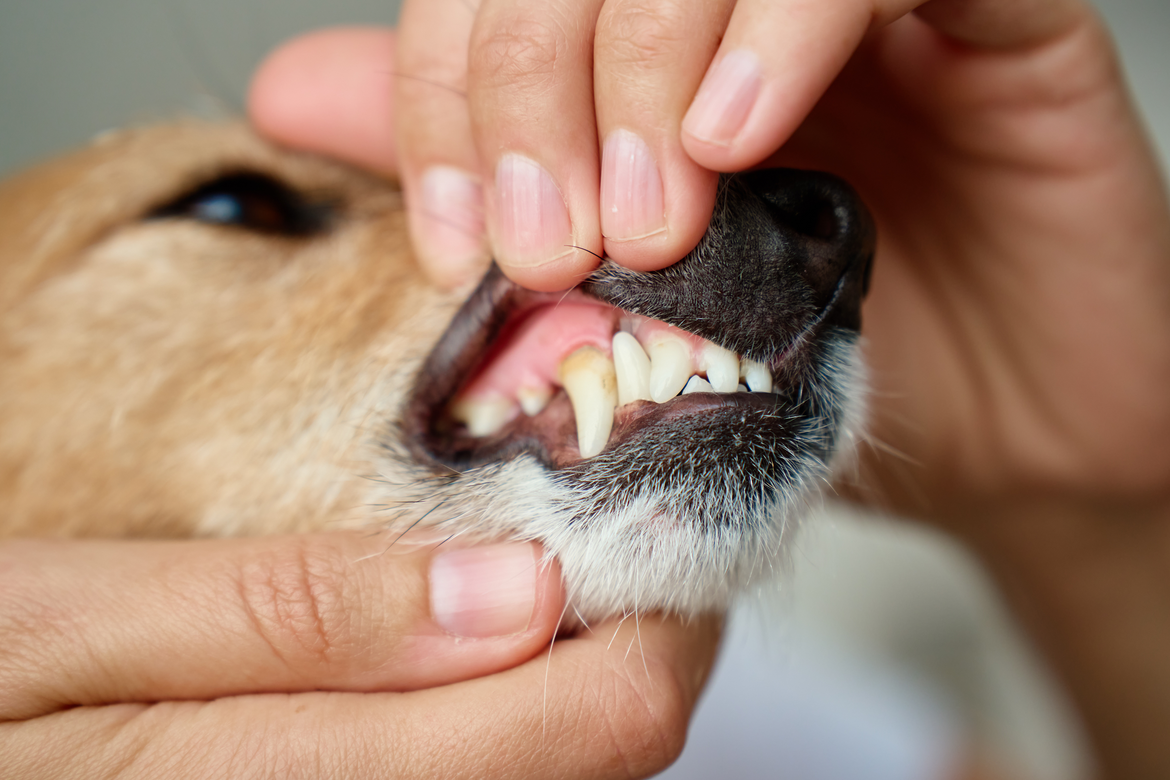
Redness, discharge or cloudiness in the eyes; dark discharge, odour or head shaking involving the ears; and bad breath beyond normal, bleeding gums or visible tartar are all signs that require a vet visit.

Ear problems worsen quickly if untreated and dental disease – very common in dogs – can affect broader health over time.
9. Urination and Bowel Changes
Straining to urinate or defecate, accidents in the house, blood in urine or stools or changes in frequency all require prompt veterinary attention. A dog that has been straining to urinate for several hours without producing any should be seen as an emergency.
Increased thirst combined with increased urination may indicate diabetes or kidney disease.
10. Weight Changes
Unexplained weight loss or gain – without changes in diet or activity – is worth investigating. In senior dogs, gradual muscle loss can sometimes mimic weight loss and may relate to mobility or nutritional issues.
A useful habit: Run your hands over your dog's ribs every few weeks. You should feel them without pressing hard, but they shouldn't be visibly prominent.
11. Fever or Temperature Changes
A dog's normal temperature is 101–102.5°F (38.3–39.2°C). Signs of fever include warm ears, shivering, lethargy and reduced appetite. Signs of overheating – heavy panting, bright red gums, weakness – are a veterinary emergency.
A warm nose alone isn't a reliable indicator, but combined with lethargy and reduced appetite, it's a reasonable prompt to call your vet.
When to Seek Veterinary Care
Go to an emergency vet immediately for:
Collapse, seizures, persistent vomiting, difficulty breathing, inability to urinate, suspected poisoning, a bloated distended abdomen or uncontrolled bleeding. These can deteriorate rapidly and shouldn't wait for a routine appointment.

For everything else:
Call your vet practice first. Most will advise over the phone whether your dog needs to be seen same-day or can be monitored at home. You know your dog best – if something feels wrong, make the call.
Preventative Care
From gut issues to joint discomfort, preventative care can help you intervene before your dog gets sick – or support them through early signs before problems become more significant.
Joint and mobility: Daily joint supplements and support can help maintain mobility in larger breeds and older dogs.
Gut health: A healthy digestive system underpins overall wellbeing.
Skin, coat and itch: Nutritional support can make a meaningful difference alongside vet advice for dogs with itchy or irritated skin.
Calm and stress: For dogs showing anxiety or restlessness.
Preventative support doesn't replace veterinary care – but it gives your dog the best nutritional foundation to stay well.
This article is intended as general information and does not constitute veterinary advice. Always consult a qualified veterinarian for guidance on your individual dog's health.
FAQs
How do I know if my dog is sick?
Know your dog's normal baseline – their energy, appetite, toilet habits and behaviour – and notice when those change. Common signs include reduced appetite, unusual lethargy, digestive changes, mobility issues or changes to skin, coat, eyes or ears.
If something seems off and persists beyond 24–48 hours, call your vet.
Is my dog sick or just tired?
Tiredness after exercise is normal. If your dog is lethargic without an obvious cause over more than a day, combine that with other signs – appetite, temperature, mobility – to get a clearer picture.
Call your vet if you're unsure.
What are the first signs of illness in dogs?
Early signs are often subtle. A change in mood or energy, reduced interest in food, altered thirst, mild digestive upset or a slight change in how your dog moves.
Patterns over 24–48 hours are more useful than any single symptom in isolation.
When should I take my dog to the vet?
Go to an emergency vet immediately for collapse, seizures, breathing difficulty, inability to urinate, suspected poisoning or uncontrolled bleeding.
For less urgent symptoms, call your practice – they'll advise whether it needs a same-day appointment or can be monitored at home.