
Most commercial dog foods are formulated to Association of American Feed Control Officials (AAFCO) nutritional standards – yet vitamin questions are among the most common dog parents ask their vets. The answer isn't a simple yes or no.
This guide runs through it all; which vitamins your dog may need, the gaps in diets, which dogs can benefit the most from vitamins and more.
What Vitamins Do Dogs Need?
Dogs require 13 essential vitamins to function properly. Unlike some nutrients, vitamins can't be made in adequate quantities by the body alone – they have to come from food or supplementation.
Vitamin A
Function: Vision, immune function, skin health.
Source: Liver, carrots, sweet potato.

B Complex (B1, B2, B6, B12, etc.)
Function: Energy metabolism, nerve function, red blood cell production.
Source: Meat, eggs, whole grains.
Vitamin C
Function: Antioxidant, collagen synthesis.
Source: Dogs synthesise their own – but sick or stressed dogs may need more.
Vitamin D
Function: Calcium absorption, bone strength.
Source: Fatty fish, egg yolks, sunlight (limited in dogs).
Vitamin E
Function: Cell protection, immune support.
Source: Nuts, seeds, vegetable oils.
Vitamin K
Function: Helps with blood clotting issues, bone metabolism.
Source: Leafy greens, liver.
It's important to note that fat-soluble vitamins (A, D, E, K) accumulate in the body – too much of them can be toxic. Water-soluble vitamins (C and B complex) are excreted more readily but can still cause issues in excessive doses.
Does Commercial Dog Food Cover It?
If you're feeding a complete, AAFCO-compliant dry or wet food, the answer is: Probably yes, for most dogs, most of the time.
The AAFCO sets minimum nutrient profiles that pet food must meet to be labelled "complete and balanced."
A food meeting these standards should cover your dog's baseline vitamin requirements without any supplementation.
But in practice, there are gaps:
- Cooking degrades nutrients. The high-heat processing used in most kibble manufacturing reduces levels of heat-sensitive vitamins like B1 (Thiamine) and vitamin C. Manufacturers compensate by over-fortifying – but the margin isn't always consistent between batches or brands.
- Bioavailability varies. AAFCO standards measure what goes in, not what the dog actually absorbs. A cheaper food may list adequate vitamin levels on the label but use lower-quality ingredients with poor bioavailability.
- Quality control isn't uniform. Not all pet food manufacturers have the same rigour in testing finished product nutrient content. Third-party certifications (like NASC) help identify brands that do.
The bottom line: A premium, well-formulated commercial diet is a solid foundation. But it's not an absolute guarantee, particularly for dogs with increased nutritional demands.
Which Dogs Are Most Likely to Benefit from Extra Vitamins?
Supplementation makes the most sense in these groups:
Dogs on home-cooked or raw diets
Unless these diets are carefully formulated by a board-certified veterinary nutritionist, they are frequently deficient in vitamins D, E, and several B vitamins. This is the group most clearly supported by evidence.

Picky eaters
Dogs that chronically refuse certain food categories may have nutritional blind spots over time – particularly if they're avoiding foods that are primary sources of specific vitamins.
Senior dogs (7+)
Aging reduces the efficiency of nutrient absorption in the GI tract. A senior dog eating the same food as a young adult may absorb meaningfully less of the vitamins in it.
Dogs recovering from illness or surgery
Healing places elevated demands on vitamins involved in tissue repair and immune function (particularly vitamins C, E, and Zinc). Vets will often recommend targeted support during recovery.
Large and giant breeds
These dogs have higher absolute nutrient requirements and are also more prone to conditions – like joint disease – where vitamins with anti-inflammatory properties (omega-3s, vitamin E) may provide meaningful support.

Signs Your Dog May Be Missing Key Nutrients
These signs aren't diagnostic on their own, but they warrant a vet conversation if you notice them:
- Dull, dry, or flaky coat – often associated with deficiencies in B vitamins, vitamin E, or essential fatty acids.
- Persistent low energy or lethargy – can reflect B vitamin or vitamin D shortfalls.
- Frequent infections or slow recovery – may point to poor immune function tied to vitamins A, C, or E.
- Slow wound healing – vitamin C plays a direct role in collagen synthesis and tissue repair.
- Digestive irregularity – B vitamin deficiencies, particularly B12, can affect gut motility and stool quality.
Do not self-diagnose or self-supplement based on these symptoms alone.
Many of them overlap with conditions that need proper veterinary diagnosis. A blood panel is the only reliable way to identify a true deficiency.
What to Look For in a Dog Vitamin
If you and your vet decide supplementation is appropriate, here's how to evaluate your options:
Quality markers to look for:
- NASC quality seal – indicates the manufacturer follows Good Manufacturing Practices and submits to audits.
- Third-party testing – a Certificate of Analysis (COA) from an independent lab confirms what's on the label is in the product.
- Named ingredients, not proprietary blends – you should be able to see individual ingredient amounts, not just a blend total.
How to read a label: Check the Guaranteed Analysis for minimum and maximum levels of key vitamins. For fat-soluble vitamins especially, look for dosages that align with established veterinary guidelines – not megadoses.
Formats:
- Chews – most palatable, easiest for daily compliance, but may contain more fillers and sugars to improve taste.
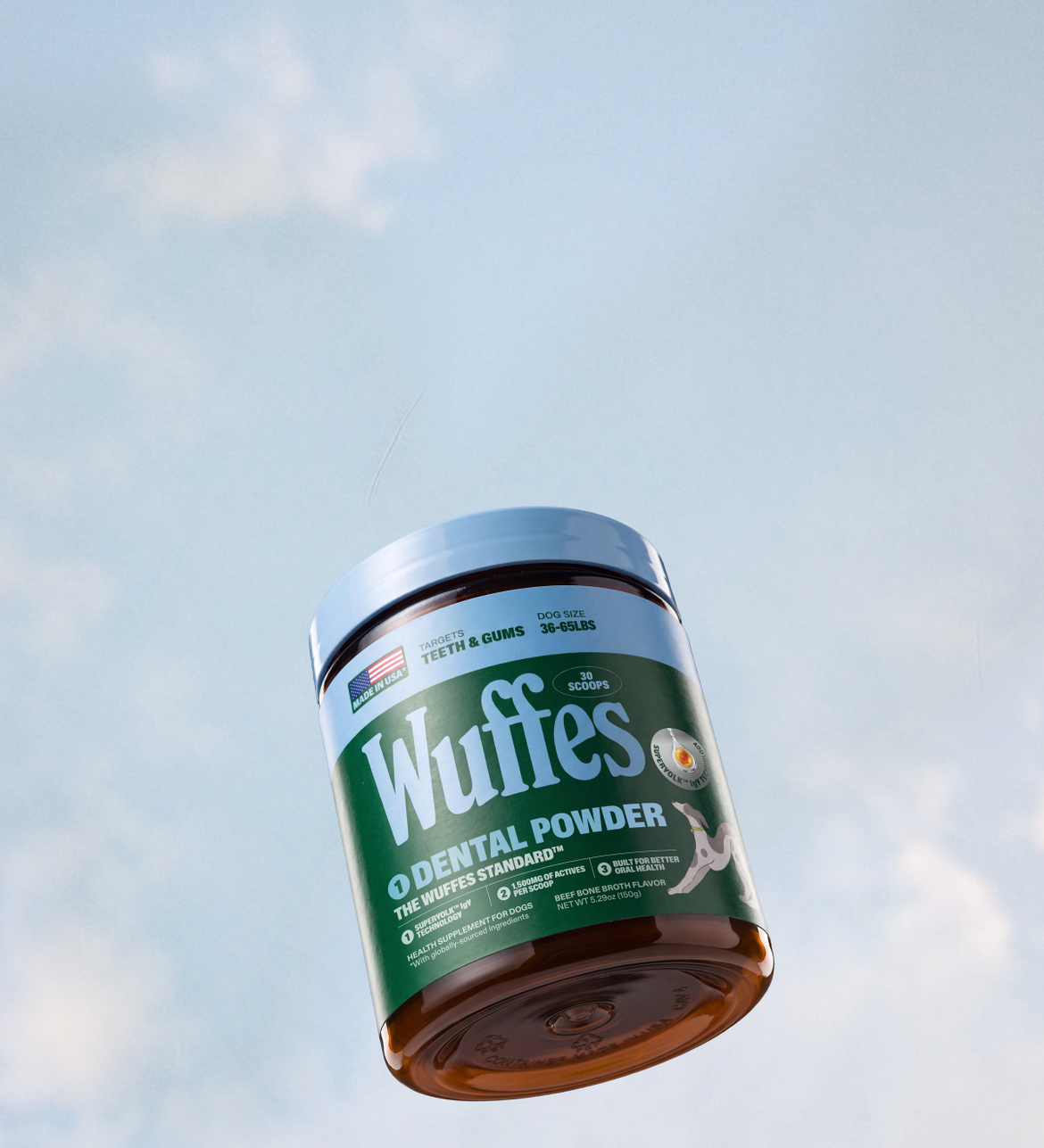
- Powders – often more concentrated, mix easily into food, better for dogs that pick around tablets.
- Liquids – fast absorption, good for dogs with swallowing difficulties.
What to avoid: Artificial preservatives (BHA, BHT), high sugar or salt fillers, and products that don't disclose individual ingredient dosages.
Can You Give a Dog Human Vitamins?
Short answer: Generally no – and some are dangerous.
Some human supplements are safe in small amounts for dogs. Others are actively harmful:
- Vitamin D – human doses are usually 10–50x higher than what a dog needs. Vitamin D toxicity in dogs causes vomiting, loss of appetite, excessive thirst, and in severe cases kidney failure.
- Iron – human iron supplements can cause iron toxicity in dogs, leading to GI damage and organ failure.
- Xylitol – many human gummies and chewable vitamins contain xylitol as a sweetener. Xylitol is highly toxic to dogs and can cause hypoglycaemia and liver failure.
- Vitamin C – actually safer; dogs synthesise their own, but supplemental vitamin C is generally well-tolerated in moderate amounts.
- B vitamins – most are reasonably safe, but again, human doses are formulated for human body weight.
Always consult your vet before giving any human supplement to your dog.
FAQs
Do dogs need vitamin C?
Dogs produce their own vitamin C in the liver through a process called biosynthesis – unlike humans, who must get it from food. This means healthy adult dogs on a complete, balanced commercial diet do not typically need vitamin C supplementation.
However, dogs under physical stress, recovering from illness, or in their senior years may produce less than their body demands. In these cases, some vets recommend supplemental vitamin C to support immune function and collagen repair.
It is not a standard recommendation for healthy dogs, but it is one of the safer vitamins to supplement when advised by a vet.
Can too many vitamins harm a dog?
Yes – vitamin toxicity in dogs is a real and serious risk, particularly with fat-soluble vitamins A, D, E, and K. Unlike water-soluble vitamins, which are flushed out through urine, fat-soluble vitamins accumulate in the liver and body fat over time.
Vitamin D toxicity is the most commonly reported, causing symptoms including vomiting, loss of appetite, excessive thirst, and in severe cases kidney failure.
Even well-intentioned supplementation can tip a dog into dangerous territory if they're already getting adequate amounts from their food. Always calculate total intake across food and supplements before adding anything new, and consult your vet.
What vitamins are toxic to dogs?
Vitamin D is the highest-risk vitamin for dogs – human-grade supplements often contain doses 10 to 50 times higher than a dog requires, and toxicity can cause serious organ damage. Excess vitamin A over time leads to bone pain and liver damage.
Iron supplements formulated for humans are a significant poisoning risk for dogs and should never be given without direct veterinary instruction.
Perhaps most critically, many human gummy vitamins and chewable supplements contain xylitol as a sweetener – xylitol is highly toxic to dogs, capable of causing hypoglycaemia and acute liver failure even in small amounts. Always read labels before sharing any supplement with your dog.
Should I give my puppy vitamins?
For most puppies eating a complete, AAFCO-compliant puppy food, additional vitamins are unnecessary and can cause harm. Puppies are in a critical phase of skeletal and organ development, and nutrient imbalances – particularly involving calcium, phosphorus, and vitamin D – can interfere with normal bone formation, especially in large and giant breeds. More is not better during this stage.
If your puppy has a diagnosed deficiency, is on a home-cooked diet, or has specific health needs, a vet or board-certified veterinary nutritionist should guide any supplementation. Do not add vitamins to a puppy's diet based on general advice without professional input.
To Sum Up
Most dogs eating a complete, AAFCO-compliant commercial diet get the vitamins they need without any supplementation. Where vitamins make a genuine difference is in specific situations.
Dogs on home-cooked or raw diets (the group with the clearest evidence of need), senior dogs whose absorption efficiency declines with age, dogs recovering from illness, and picky eaters with long-standing dietary gaps.