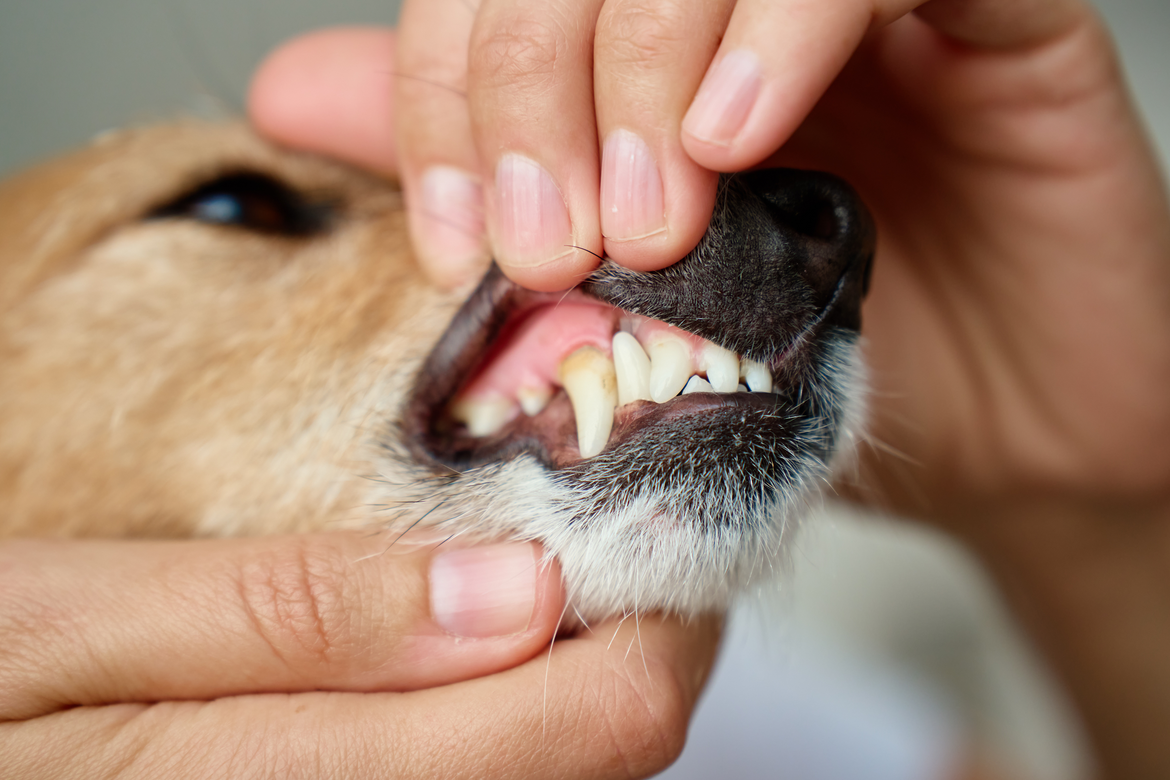

The gut microbiome – A.K.A. the community of bacteria living in your dog's digestive tract – is shaped primarily by what your dog eats. A diverse, balanced microbiome supports digestion, immune function, skin health, and even mood.
Poor diet choices can actually sometimes disrupt this ecosystem and leave your dog more vulnerable to digestive problems and broader health issues. Understanding the relationship between dog diet and gut health is one of the most impactful things an owner can learn.
Here, we're explaining what research shows about diet and canine gut health, so you can make more informed choices for your dog.
What Is the Gut Microbiome and Why Does It Matter?
Your dog's digestive tract is home to trillions of bacteria, fungi, and other microorganisms – collectively known as the gut microbiome. These microorganisms do far more than just help with digestion.
They produce essential nutrients, regulate immune responses, and even influence brain chemistry and behavior through what researchers and most people call 'the gut-brain axis'.
When the microbiome is diverse and balanced, your dog is better equipped to absorb nutrients, fight off pathogens, and maintain healthy skin and a stable mood. When it's disrupted – through poor diet, illness, or antibiotics – the consequences can show up as digestive symptoms, immune weakness, and even behavioral changes.
Diet is arguably the single most influential factor shaping the gut microbiome. What your dog eats today tends to directly build – or undermine – the microbial community that supports their long-term health.
How Different Types of Diet Affect Dog Gut Health
Not all dog foods affect the gut microbiome equally. Here's what the majority of research online and general understanding tells us:
Protein digestibility plays a key role
Highly digestible protein sources leave less undigested material in the colon, reducing fermentation by less desirable bacteria. Lower-quality protein sources can fuel the growth of putrefactive bacteria, contributing to gas, loose stools, and odor.

Fiber is critical – but the type matters
Soluble fiber (found in ingredients like chicory root and certain fruits) acts as a prebiotic, feeding beneficial bacteria and helping them thrive.
Insoluble fiber (found in ingredients like cellulose) adds bulk and supports transit time, but does less to nourish the microbiome directly. A good diet typically has both.
Ingredient quality in commercial foods is increasingly linked to gut flora diversity
Ultra-processed, highly consistent diets may reduce microbiome variety over time, though research in this area is still developing. High-quality commercial foods with named protein sources and whole food ingredients tend to perform better.
Raw and fresh food diets are a topic of active interest among dog parents and researchers
Overall, some studies suggest these diets may support greater microbiome diversity.
However, the evidence base remains limited, and these diets also carry potential risks – including bacterial contamination and nutritional imbalance – that dog parents should discuss with their vet before making any switch.
Abrupt food changes are generally shown to disrupt gut bacteria
Even switching between two high-quality foods can trigger loose stools if done too quickly. The gut microbiome needs time to adapt.
Transitions should be gradual, typically over 7–10 days.
Foods That Support a Healthy Dog Gut
Certain whole foods contain naturally prebiotic compounds that can support a healthy gut environment.
These aren't replacements for a balanced diet, and the amounts suitable for dogs differ significantly from human portions. Always check that individual foods are safe for dogs before introducing them.
Naturally prebiotic foods that may benefit dogs (in appropriate amounts) include:
- Cooked sweet potato – a source of soluble fiber that feeds beneficial gut bacteria.
- Cooked pumpkin – widely used to support healthy digestion and bowel regularity.
- Bananas – contain fructooligosaccharides (a prebiotic fiber) in small quantities.
- Cooked asparagus and zucchini – gentle on the gut, with mild prebiotic properties.
- Blueberries – rich in polyphenols that research suggests may positively influence gut flora.

These foods work best as an addition to their diet, rather than primary nutrition sources, and in general, they should be introduced gradually.
Signs That Diet May Be Affecting Your Dog's Gut
Diet-related gut disruption often shows up subtly before it becomes obvious.
The following signs may suggest your dog's current diet isn't supporting their digestive health – but they can also have other causes, so they're always worth bringing up with your vet rather than self-diagnosing:
- Loose or inconsistent stools – particularly if they follow a pattern linked to feeding time.
- Excessive gas – occasional flatulence is normal; frequent or particularly foul-smelling gas can indicate fermentation issues.
- Unpredictable appetite – going off food or showing unusual urgency around mealtimes.
- Coat dullness or skin irritation – the gut-skin connection is increasingly well-documented; poor gut health can manifest in the skin and coat.
- Low energy after eating – may indicate poor nutrient absorption.
If your dog is showing several of these signs, a conversation with your vet about their diet is a great first step.
The Role of Probiotics and Prebiotics Alongside Diet
Diet is the foundation of gut health, but it isn't always enough on its own.
Probiotics (live beneficial bacteria) and prebiotics (the fibers that feed them) can play a meaningful supporting role – particularly after a course of antibiotics, during a dietary transition, or when a dog has a history of digestive sensitivity.
Probiotics work by introducing strains of beneficial bacteria directly into the gut. For them to be effective, the strains used need to be appropriate for dogs, present in sufficient quantities, and able to survive the journey through the digestive tract.
Not all probiotic products are created equal.
Prebiotics – whether through diet or supplementation – create the conditions for beneficial bacteria to thrive.
For a deeper understanding of how these work and which products are worth considering, see our complete guide to dog gut health.
When to Talk to a Vet About Your Dog's Diet

You know your dog better than anyone, and that knowledge is valuable. But some situations call for professional input before making diet changes:
- Persistent digestive symptoms – if loose stools, gas, or vomiting have continued for more than a few days, or keep coming back, don't assume a food switch will fix it. There may be an underlying cause that needs investigation.
- Before making a significant dietary change – switching diet types (e.g., moving to raw, or trying a novel protein elimination diet) can have real consequences for gut health if not handled carefully. Your vet can help guide the transition.
- If your dog has a diagnosed condition – dogs with IBD, food allergies, pancreatitis, or other conditions need dietary decisions made in partnership with a vet, not based on general advice.
- If supplements are on your radar – a vet or veterinary nutritionist can advise on whether a probiotic or prebiotic supplement is appropriate and point you toward a suitable product.
If your dog is already showing symptoms like diarrhea, our guide to natural remedies for dog diarrhea covers what owners can consider while seeking veterinary advice.
FAQs
Does changing my dog's food affect their gut bacteria?
Yes – diet is the primary driver of the canine gut microbiome, and switching food can change the bacterial population relatively quickly. Research in both humans and dogs shows that dietary changes produce measurable shifts in gut bacteria within days.
This is why abrupt food transitions often cause loose stools or gas: The microbiome hasn't yet adapted to the new nutrient profile. Beneficial changes in gut bacteria can occur when moving to a higher-quality diet, but the transition needs to be gradual.
A slow switch over 7–10 days gives the gut time to adjust and minimizes disruption to your dog's digestive system.
How long does it take for a dog's gut to adjust to a new food?
Most dogs need between 7 and 14 days to adjust to a new food when the transition is made gradually. A slow changeover – replacing around 25% of the old food with new food every few days – gives the gut microbiome time to adapt without significant disruption.
Some dogs with sensitive stomachs or a history of digestive issues may need up to three to four weeks. During this period, mild changes in stool consistency are normal.
If symptoms are severe or persist beyond the transition window, it's worth bringing up with your vet, as it may point to a food sensitivity or an underlying digestive condition.
Can diet cause a sensitive stomach in dogs?
Diet can both cause and resolve sensitive stomach symptoms in dogs.
Foods containing low-quality protein sources, artificial additives, or hard-to-digest ingredients can irritate the gut lining and disrupt the balance of the microbiome, leading to recurring loose stools, gas, or vomiting.
Dogs with a genuine food sensitivity or allergy may react consistently to a specific ingredient – most commonly certain proteins or grains. In these cases, an elimination diet under veterinary guidance may be needed to identify the trigger.
A diet rich in digestible proteins, appropriate fiber, and high-quality ingredients generally supports a more settled digestive system over time.
Should I add anything to my dog's food to support gut health?
For most healthy dogs, a nutritionally complete, high-quality diet is the most important foundation for gut health. However, there are situations where additions can help. A probiotic supplement may be beneficial during or after a course of antibiotics, in times of stress, or during a dietary transition.
Prebiotic fibers – either through whole foods like cooked pumpkin, or a dedicated supplement — can help feed beneficial bacteria already present in the gut. It's worth talking to your vet before adding supplements, particularly if your dog has an existing condition.
To Sum Up
What your dog eats is the most important factor shaping their gut microbiome, which in turn influences their digestion, immune health, skin condition, and overall well-being.
A diet rich in high-quality, digestible ingredients and appropriate fiber provides the foundation for a healthy gut – while poor-quality food, abrupt dietary changes, and nutrient imbalances can disrupt it.
When diet alone isn't enough, probiotics and prebiotics can offer meaningful support alongside a balanced feeding routine.